


Introduction
Have you ever found yourself stuck in your language learning journey, feeling like you’ve hit an invisible wall? It’s a frustrating experience, but you’re not alone. Language learning blocks are more common than you might think, and they can happen to anyone, regardless of their proficiency level or experience. In this blog post, we’ll explore what causes these mental blocks and, more importantly, how you can overcome them. From practical strategies to innovative tools like generative AI, we’re here to help you break through that wall and rekindle your passion for language learning. Let’s dive into understanding these blocks and discover ways to turn these challenges into opportunities for growth.
Understanding Language Learning Blocks
What is a Language Learning Block?
A language learning block, often experienced as a mental barrier, is a phase where learners find it unusually challenging to absorb new information, feel demotivated, or struggle with language skills they previously mastered. It’s akin to hitting a ‘wall’ in your learning process.
Why Do These Blocks Occur?
Several factors contribute to these blocks:
- Psychological Factors: Stress, anxiety, or self-doubt can significantly hinder your ability to learn. When our minds are preoccupied or stressed, it becomes more challenging to focus and retain information.
- Burnout: Intensive studying without adequate breaks can lead to burnout. It’s crucial to balance learning with rest.
- Plateaus: In every learning curve, plateaus are natural. After rapid progress, a period of slower growth can feel like a setback, but it’s a normal part of learning.
- Lack of Motivation: Sometimes, the initial excitement of learning a new language fades, leaving you feeling less motivated.
- External Factors: Life events, changes in routine, or environmental distractions can also contribute to learning blocks.
Recognizing that these blocks are a normal part of the learning journey is the first step to overcoming them. In the next section, we’ll delve into identifying the signs of a learning block, an essential step in addressing the issue effectively.

Recognizing the Signs of a Learning Block
Identifying the Signs
Being aware of the early signs of a language learning block can help you address it more effectively. Common indicators include:
- Decreased Motivation: You might find yourself procrastinating more often or feeling indifferent towards language learning activities that you previously enjoyed.
- Frustration and Negative Feelings: Feelings of frustration, boredom, or negativity when thinking about language learning can be telltale signs.
- Stagnation in Progress: A noticeable halt or regression in your language skills, such as struggling with vocabulary or grammar you once found manageable.
- Lack of Concentration: Difficulty focusing during study sessions or an inability to retain new information as effectively as before.
- Physical Symptoms: Physical signs like headaches, tiredness, or lack of energy during language learning activities.
Acknowledging and Accepting These Signs
It’s crucial to recognize and accept these signs without self-judgment. Remember, experiencing a learning block does not reflect your capabilities or potential as a language learner. It’s simply a signal from your mind and body that something in your current approach needs adjustment. This acceptance is your first step towards overcoming the block.
In the next section, we will explore various strategies to effectively overcome these mental blocks, revitalizing your language learning journey.

Strategies to Overcome Mental Blocks
Changing Learning Routines
- Switch Up Your Study Methods: If you’re used to textbook learning, try interactive apps, language exchange conversations, or watching movies in your target language. Variety can reignite your interest.
- Set Smaller, Achievable Goals: Break down your learning into smaller, manageable tasks. Celebrating small victories can boost your morale and motivation.
- Incorporate Language into Daily Life: Label items in your home in your target language, listen to music, or follow a recipe in that language. These small steps keep your learning practical and fun.
Seeking Social Interaction
- Language Exchange Partners: Practicing with a native speaker can provide real-life context and make learning more engaging.
- Online Language Communities: Join forums or social media groups where you can interact with other learners and share experiences.
Taking Breaks and Practicing Relaxation
- Scheduled Breaks: Regular breaks are essential. They prevent burnout and help your brain assimilate new information.
- Relaxation Techniques: Techniques like meditation, yoga, or even a simple walk can clear your mind and improve concentration.
Using Generative AI as a Learning Tool
- Interactive Practice: Use AI tools like ChatGPT for conversation practice, grammar exercises, or to get explanations on complex topics.
- Fresh Content Generation: AI can generate new learning materials based on your interests, keeping the content fresh and engaging.
Maintaining Physical Health
- Regular Exercise: Physical activity can enhance cognitive functions, improving your learning efficiency.
- Balanced Diet: A nutritious diet supports brain health, impacting your learning abilities.
In the next section, we’ll delve into how generative AI can be specifically used to break through language learning blocks, offering a unique and modern approach to reinvigorating your language studies.
Using Generative AI as a Tool for Breaking the Block
Interactive Learning with AI
- Conversational Practice: Engage in simulated conversations with AI, tailored to your proficiency level. This can build confidence and fluency without the pressure of real-life interactions.
- Grammar and Vocabulary Drills: Use AI to create personalized drills that target your weak spots, helping you to consolidate your language foundation.
Customized Learning Experience
- Adaptable Content: Generative AI can analyze your learning patterns and create content that suits your specific needs, keeping the learning process aligned with your interests and goals.
- Feedback and Corrections: AI tools can provide instant feedback on your language use, enabling you to learn from mistakes in real-time.
Creative Exploration with AI
- Storytelling and Roleplay: Experiment with storytelling or role-playing exercises where AI generates creative scenarios, dialogues, or even entire storylines in your target language.
- Cultural Insights: AI can provide cultural and historical context for the language you’re learning, making the process more immersive and meaningful.
Overcoming Isolation in Language Learning
- Community Engagement: Some AI platforms offer community features, allowing you to connect with other learners, share your progress, and seek support.
- Consistent Availability: AI tools are available 24/7, offering a consistent learning companion, especially when human interaction isn’t possible.
In the next section, we’ll explore mindfulness and well-being practices that can complement your language learning and help in overcoming mental blocks.
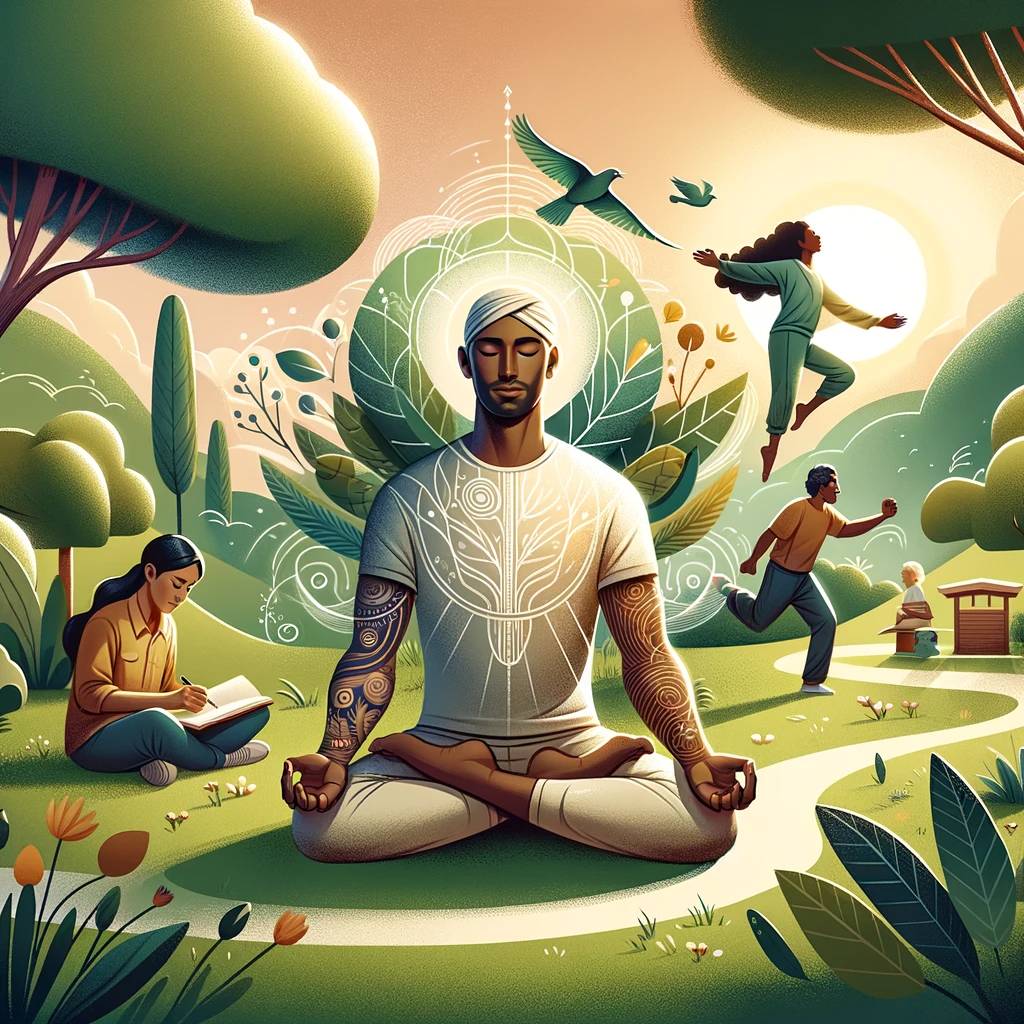
Incorporating Mindfulness and Well-being Practices
Mindfulness for Mental Clarity
- Meditation: Regular meditation can greatly enhance focus and mental clarity, reducing the stress and anxiety that often accompany learning blocks.
- Mindful Learning: Practice being fully present during your study sessions. This means turning off distractions and truly engaging with the material.
Physical Well-being for Enhanced Learning
- Regular Exercise: Physical activity is not just good for your body; it also boosts brain function, which can help break through learning blocks.
- Healthy Sleep Patterns: A well-rested mind is more capable of learning and retaining new information. Prioritize getting enough sleep.
Emotional Well-being
- Positive Affirmations: Use positive affirmations to combat negative thoughts about your language learning abilities.
- Journaling: Writing about your learning experiences can help process your feelings and track your progress, offering a sense of accomplishment.
Balanced Lifestyle
- Hobbies and Interests: Engaging in hobbies unrelated to language learning can provide a much-needed break and refresh your mind.
- Social Connections: Maintaining social connections can provide emotional support and a different perspective on your learning journey.
In the next section, we will discuss how to find inspiration and reignite your passion for language learning, turning these blocks into stepping stones for success.
Finding Inspiration and Rekindling Passion
Exploring Cultural Aspects of the Language
- Cultural Immersion: Dive into the culture associated with your target language. Watch movies, read books, or listen to music in that language to develop a deeper connection.
- Cultural Events and Cuisine: Participate in cultural events or try cooking dishes from the countries where the language is spoken. These activities can make learning more tangible and enjoyable.
Connecting with Native Speakers
- Language Exchange Programs: Engage in conversation with native speakers through language exchange programs. This can provide authentic practice and cultural insights.
- Online Communities: Join online forums or social media groups where you can interact with native speakers and other learners.
Language-Based Games and Activities
- Word Games and Puzzles: Incorporate games like crosswords, word searches, or language apps that gamify the learning process.
- Writing Challenges: Participate in writing challenges in your target language, like penning short stories or diary entries.
Setting New Goals and Challenges
- Language Projects: Start a project in your target language, like a blog, YouTube channel, or a travel plan.
- Language Certifications: Consider preparing for a language certification. It can provide a structured goal and a sense of achievement upon completion.
Remembering Your ‘Why’
- Reflect on Your Motivation: Remind yourself why you started learning the language. Whether for personal, professional, or academic reasons, reconnecting with your initial motivation can reignite your passion.
- Visualize Your Success: Visualize how fluency in this language will positively impact your life. This can be a powerful motivator to keep pushing through tough phases.
Conclusion
As we’ve explored in this post, hitting a language learning block is a common experience, but it’s far from insurmountable. By recognizing the signs early and employing a variety of strategies – from altering your learning routines to embracing the power of generative AI – you can overcome these hurdles. Integrating mindfulness and well-being practices into your routine not only aids in breaking through learning blocks but also enhances your overall learning experience.
Remember, every challenge in your language learning journey is an opportunity for growth. It’s about finding the right balance, staying flexible in your approach, and keeping the joy of learning alive. Whether it’s through cultural immersion, connecting with others, or simply taking a well-deserved break, there are numerous ways to rekindle your passion and motivation.
Language learning is a journey with its highs and lows. Embrace each phase, and don’t hesitate to try out these strategies to see what works best for you. Your linguistic adventure is unique, and with persistence and the right tools, you’ll find your way past any blocks and towards your language goals.
- AI-Powered Training: Redefining Security Protocols
- Generative AI for Mental Health: An Accessible Approach to Therapy
- The 2024 Chatbot Revolution: Voice, Experience, and Automation
- AI Leadership Mastery: Elevating Tech Savvy to Strategic Genius
- DoorDash Dilemma: Unveiling the Need for Enhanced Driver Safety in the Gig Economy
 Subi's Insights
Leave a comment