
Introduction
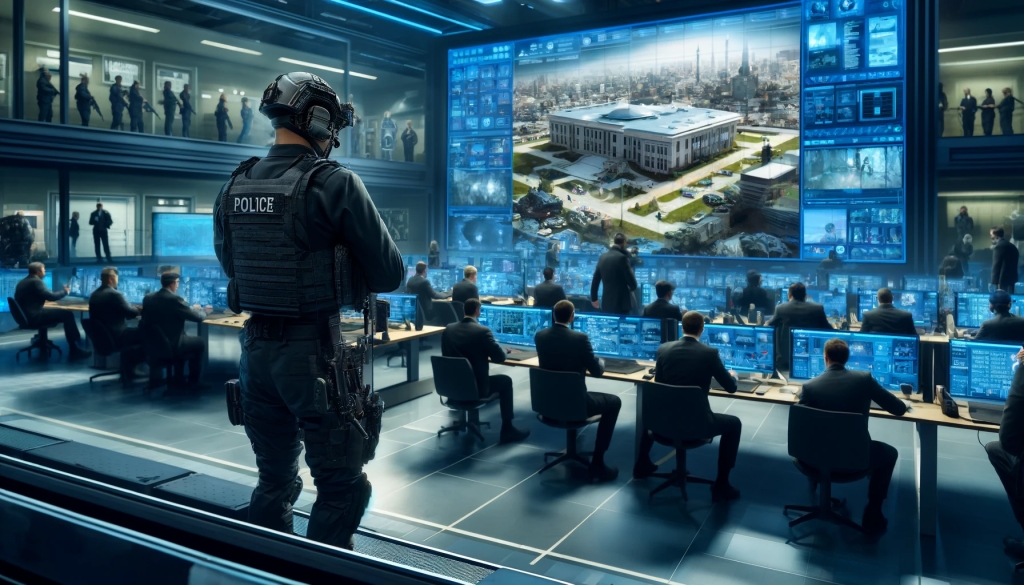
Imagine you’re a special agent responsible for protecting diplomats in a high-stakes, complex environment. Every decision you make could have life-or-death consequences. Traditional training methods, though valuable, may not be enough to prepare you for the unpredictable nature of modern security threats. This is where AI-powered training steps in, offering dynamic, realistic scenarios to hone your skills and keep you on your toes. In this blog post, we’ll explore how generative AI is revolutionizing security training for diplomatic special agents.
Section 1: The Power of Generative AI in Scenario Simulation
Generative AI, a branch of artificial intelligence that creates new data based on learned patterns, has found a unique application in training special agents. By generating realistic training environments, AI enables agents to practice in scenarios that closely mimic real-world situations.
For instance, AI-generated simulations can create a variety of security threats, such as embassy breaches, terrorist attacks, or hostile evacuations. These scenarios challenge agents to think critically and respond quickly. The benefits are substantial: agents can encounter a wide range of situations in a controlled setting, allowing them to develop crucial decision-making skills.
The beauty of generative AI lies in its adaptability. Unlike traditional simulations, which are often static and predictable, AI-driven scenarios can change in response to the agents’ actions. This dynamic aspect ensures that training remains engaging and reflective of the complexities agents face in the field.
Section 2: Enhancing Risk Assessment with AI Analytics
Generative AI doesn’t just simulate scenarios; it also analyzes vast amounts of data to identify patterns and trends that could signal security threats. This capability is crucial for diplomatic missions and high-security environments, where early threat detection can make all the difference.
AI algorithms can process enormous datasets, extracting insights that would take humans much longer to uncover. This analytical power allows security teams to anticipate risks and develop strategies to mitigate them. AI-powered scenario modeling can help predict potential threats, providing DS agents with real-time alerts and recommendations based on the latest data.
Real-time threat assessment is a game-changer for special agents. With AI on their side, they can stay ahead of evolving threats, respond swiftly, and make informed decisions to ensure the safety of diplomats and other high-profile targets.
Section 3: Envisioning Future Applications: The Next Frontier of Security Training
While current applications of generative AI are impressive, the future holds even more promise. As technology advances, the possibilities for innovative security training are endless.
Imagine hyper-realistic virtual environments that replicate diplomatic missions in minute detail, allowing agents to practice in a safe but challenging setting. Or consider personalized training experiences tailored to individual agents’ strengths and weaknesses, with AI-driven feedback guiding their progress. These speculative examples hint at a future where security training is not only more effective but also more enjoyable for those involved.
AI’s transformative impact on traditional training paradigms is undeniable. As we look ahead, we can envision a world where special agents have AI assistants at their disposal, providing real-time guidance and adaptive learning experiences. This evolution in training methodologies will help agents stay at the forefront of security, equipped with the skills and knowledge needed to tackle any challenge.
Section 4: Ethical and Privacy Considerations
With great power comes great responsibility. The use of AI in security training raises important ethical and privacy considerations. For example, there are concerns about the potential for bias in AI algorithms, which could lead to unfair outcomes in training or real-world situations.
Privacy is another significant issue. AI-driven simulations and analytics rely on large datasets, which may contain sensitive information. To ensure responsible use of AI technologies, training programs must implement strict data protection protocols and ensure transparency in their AI systems.
To mitigate these risks, it’s essential to develop ethical frameworks that guide AI’s use in security training. This involves ongoing research and collaboration between AI experts, security professionals, and policymakers to create a balanced approach that protects both privacy and safety.
Conclusion
Generative AI has the potential to revolutionize security training for diplomatic special agents, offering dynamic scenarios, enhanced risk assessment, and innovative future applications. By embracing this technology, security teams can better prepare for the complex challenges they face in today’s world.
If you’re interested in learning more about the role of AI in diplomatic security, we encourage you to share your thoughts and engage in further discussion. Together, we can shape the future of security training through research, innovation, and collaboration within the field of AI and security.
Call to Action
Ready to explore the exciting world of AI-powered security training? Check out our additional resources or consider participating in training programs that incorporate AI technologies in security and law enforcement training. Don’t forget to subscribe to our blog for more updates and insights on emerging trends in AI and security. Stay ahead of the curve with us!
- AI-Powered Training: Redefining Security Protocols
- Generative AI for Mental Health: An Accessible Approach to Therapy
- The 2024 Chatbot Revolution: Voice, Experience, and Automation
- AI Leadership Mastery: Elevating Tech Savvy to Strategic Genius
- DoorDash Dilemma: Unveiling the Need for Enhanced Driver Safety in the Gig Economy
 Subi's Insights
Leave a comment